What we learned shipping a Futures contract platform to a live desk

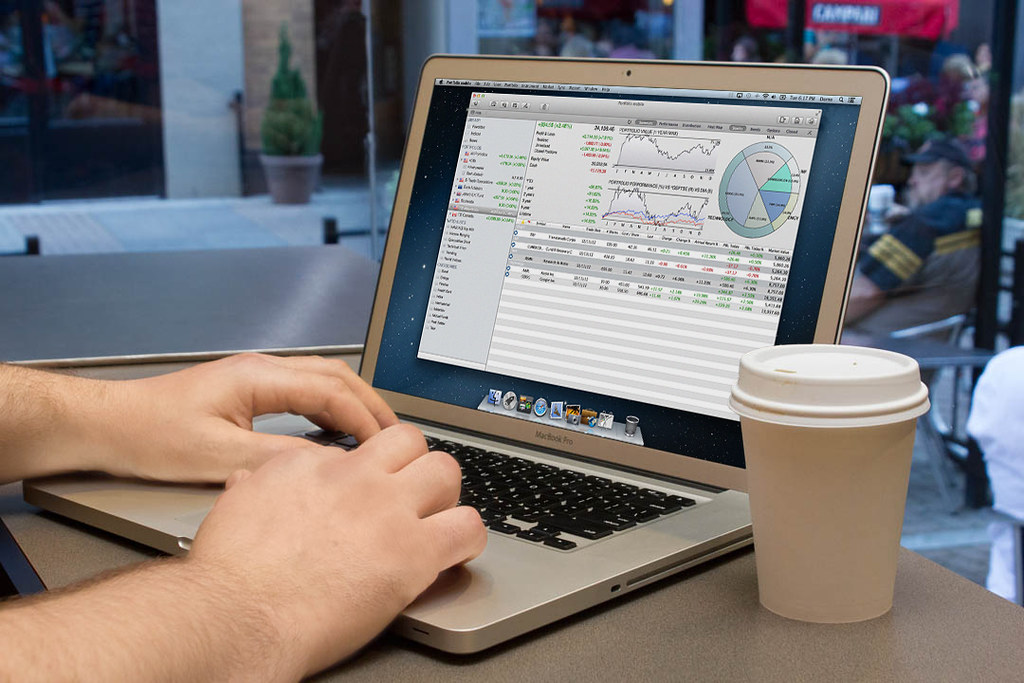
Photo: 401(K) 2013 / Flickr · CC BY-SA 2.0
If you only fix one part of your workflow this quarter, a properly chosen futures contract platform is a strong candidate.
What a futures contract platform actually does
Strip away the branding and a futures contract platform is really a tool for execution and market access. Judge it on how well it does that before anything else.
When spreads widen and order books thin out, the gap between a good and a mediocre futures contract platform shows up directly in your fill prices.
What to look for
When you put a futures contract platform through its paces, weigh it against the things that bite in production rather than the ones that demo well:
- Latency and uptime during the most volatile sessions, not the calm ones
- Breadth of supported venues, instruments and order types
- Fee tiers, maker rebates and how they scale with volume
- Built-in risk controls: position limits, kill switches, max-order checks
- API parity — anything the UI can do, the API should do too
Common mistakes
The usual trap is optimising for the happy path. A futures contract platform that looks great on a quiet Tuesday can fall apart the moment volume, volatility or fees spike — which is exactly when you need it most. Test it under stress, with adversarial inputs, and on the messiest data you can find.
The bottom line
Pick the futures contract platform you understand well enough to debug at 3 a.m. during a market event. Cleverness you cannot reason about is a liability, not an edge.