Hardware wallet management: the features that matter and the ones that don't

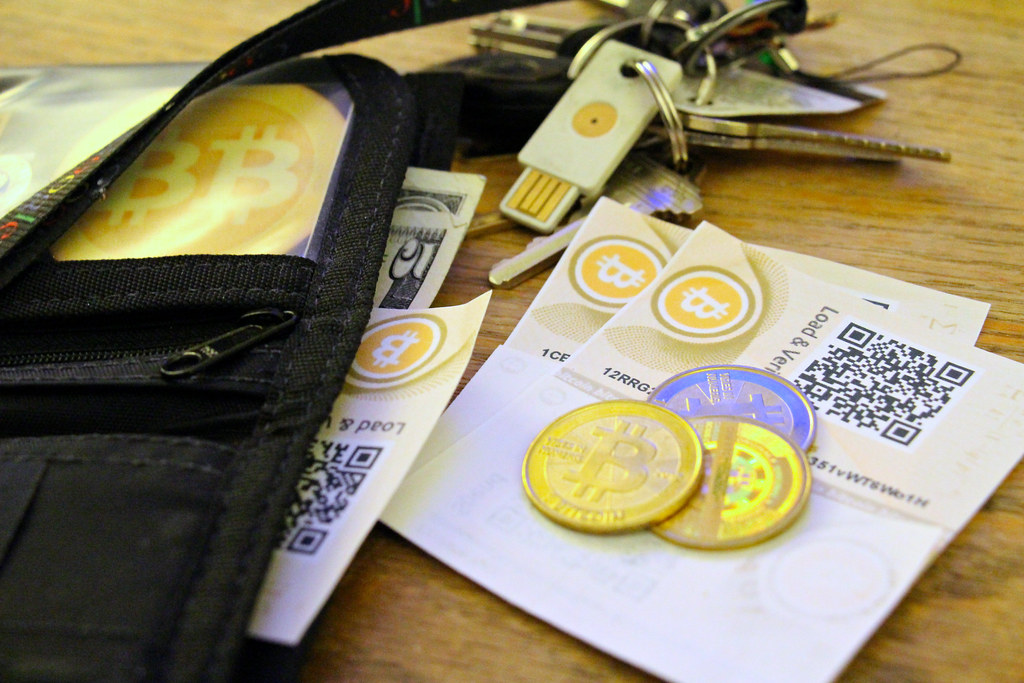
Photo: Cryptodost / Flickr · CC BY 2.0
If you only fix one part of your workflow this quarter, a properly chosen hardware wallet management is a strong candidate.
What a hardware wallet management actually does
At its core, a hardware wallet management solves one job: custody and key management. Everything else — the dashboards, the integrations, the marketing — hangs off that single responsibility.
With a hardware wallet management the failure mode is not a bad trade — it is a permanent, irreversible loss of funds, so the bar is much higher.
What to look for
When you put a hardware wallet management through its paces, weigh it against the things that bite in production rather than the ones that demo well:
- Where private keys live and who can ever touch them
- Recovery paths that survive a lost device or a dead signer
- Independent audits and a track record under real load
- Clear separation between hot operational funds and cold reserves
- Approval workflows that require more than one human
Common mistakes
The usual trap is optimising for the happy path. A hardware wallet management that looks great on a quiet Tuesday can fall apart the moment volume, volatility or fees spike — which is exactly when you need it most. Test it under stress, with adversarial inputs, and on the messiest data you can find.
The bottom line
The right hardware wallet management fades into the background and lets you focus on decisions that actually carry edge. If you are fighting the tool, you have the wrong one.