Token swap aggregator: a practical guide for 2026

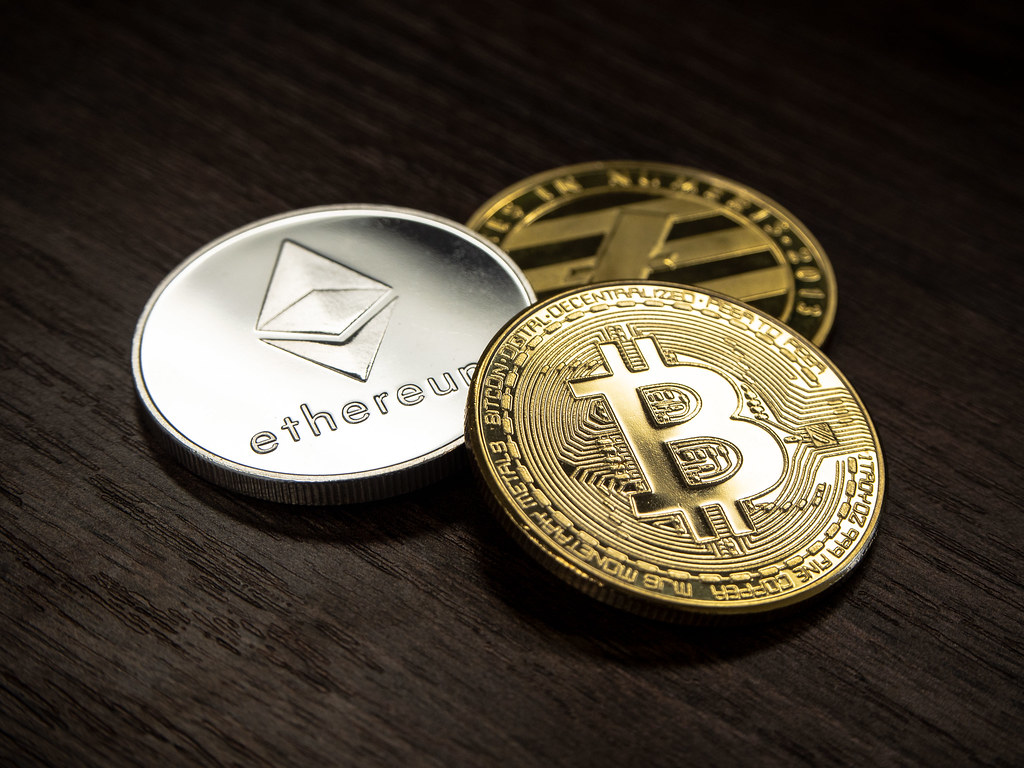
Photo: nenadstojkovicart / Flickr · CC BY 2.0
Ask ten traders about the ideal token swap aggregator and you will get eleven answers. Here is the framework we use to cut through the noise.
What a token swap aggregator actually does
Strip away the branding and a token swap aggregator is really a tool for on-chain liquidity. Judge it on how well it does that before anything else.
In DeFi the token swap aggregator does not just report numbers — it changes your actual yield and risk the moment you deposit.
What to look for
When you put a token swap aggregator through its paces, weigh it against the things that bite in production rather than the ones that demo well:
- Whether quoted APRs are net of fees, gas and impermanent loss
- Smart-contract audit history and time-tested TVL
- How slippage scales with trade size against pool depth
- Exit liquidity — can you actually get out at scale?
- Cross-chain assumptions and bridge risk baked into the numbers
Common mistakes
The usual trap is optimising for the happy path. A token swap aggregator that looks great on a quiet Tuesday can fall apart the moment volume, volatility or fees spike — which is exactly when you need it most. Test it under stress, with adversarial inputs, and on the messiest data you can find.
The bottom line
There is no universally "best" token swap aggregator — only the one that matches your size, your style and the markets you actually trade. Start from your constraints, not the feature list.