VWAP execution tracker: the features that matter and the ones that don't

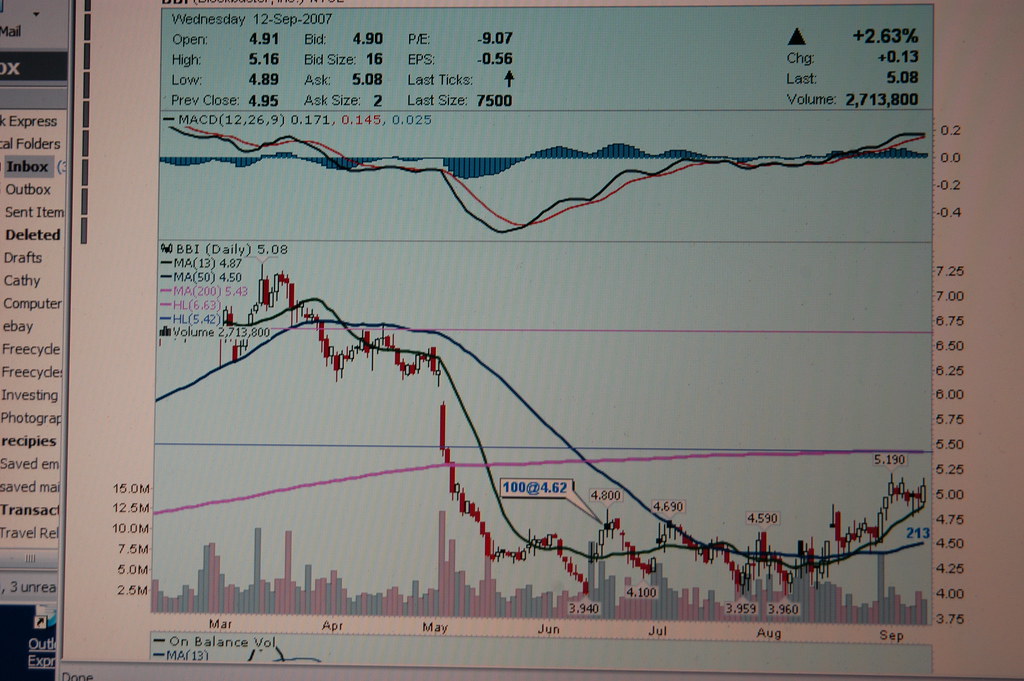
Photo: kenteegardin / Flickr · CC BY-SA 2.0
The VWAP execution tracker has quietly become table stakes, but most teams still evaluate it on the wrong criteria.
What a VWAP execution tracker actually does
Think of a VWAP execution tracker as the layer that owns reading price action. When it works you forget it exists; when it fails, you feel it immediately.
A VWAP execution tracker is only as useful as your discipline around it; the same signal that prints money in a trend will bleed you dry in a range.
What to look for
When you put a VWAP execution tracker through its paces, weigh it against the things that bite in production rather than the ones that demo well:
- Whether the calculation matches the textbook definition exactly
- How it behaves on low-liquidity assets and gappy data
- Configurable lookback periods and smoothing options
- Repainting behaviour — does the signal change after the candle closes?
- How cleanly it composes with the rest of your chart
Common mistakes
The usual trap is optimising for the happy path. A VWAP execution tracker that looks great on a quiet Tuesday can fall apart the moment volume, volatility or fees spike — which is exactly when you need it most. Test it under stress, with adversarial inputs, and on the messiest data you can find.
The bottom line
The right VWAP execution tracker fades into the background and lets you focus on decisions that actually carry edge. If you are fighting the tool, you have the wrong one.